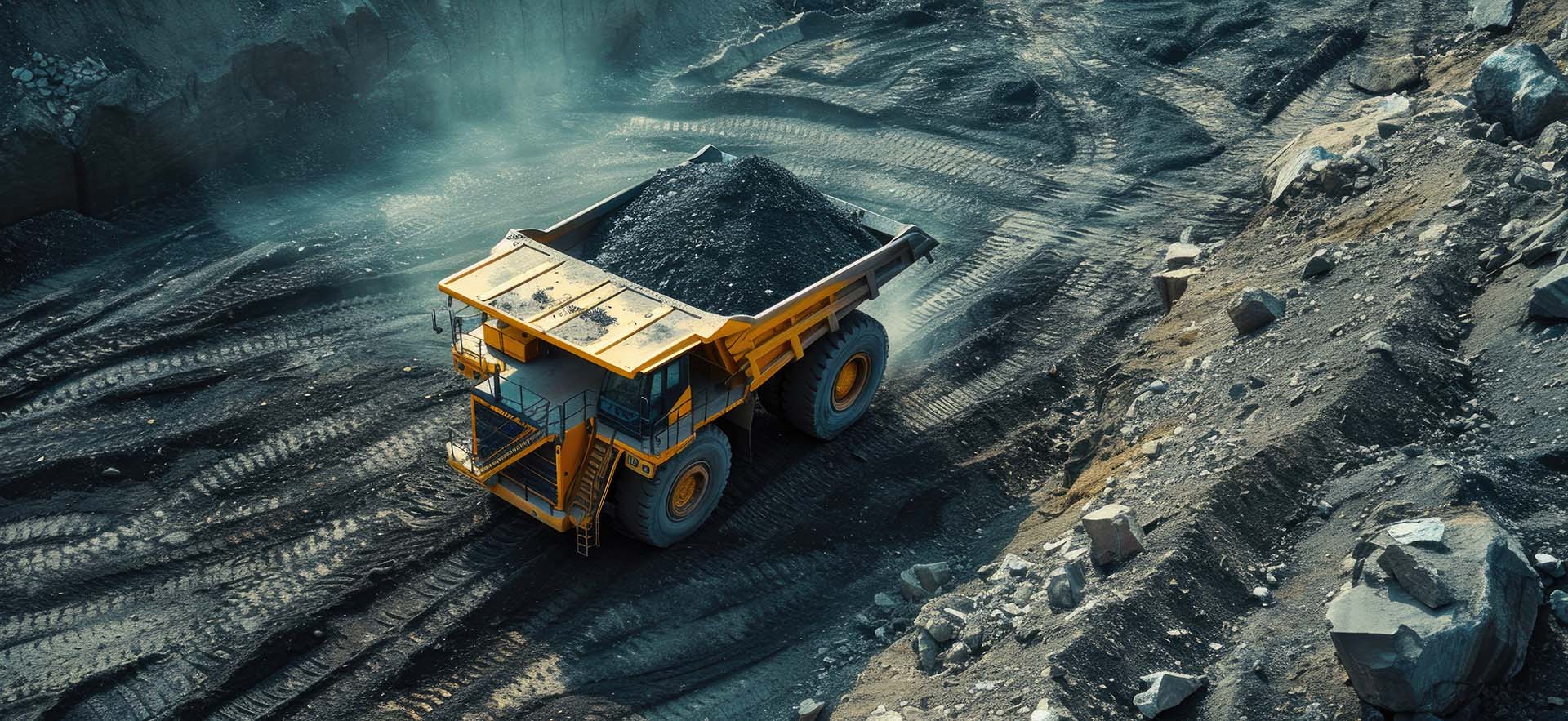
In the transport industry, rubber linings have found wide applications, particularly in the transportation of bulk materials such as coal, gravel, or ores. Trucks and railway cars used for transporting these materials are equipped with rubber linings to offer significant advantages. These linings serve multiple important purposes, all of which contribute to enhanced operational efficiency.
Key Benefits of Rubber Linings in Bulk Material Transportation
1. Prevents Material Adhesion
One of the most critical features of rubber linings is their ability to prevent bulk materials like coal, gravel, or ores from adhering to the interior walls of transport vehicles. The smooth and non-stick properties of rubber reduce the likelihood of materials sticking to the surface, ensuring smoother operations.
2. Eases Unloading Process
The non-stick nature of rubber linings makes the unloading process faster and more efficient. With rubber, bulk materials flow out more easily, reducing the amount of force or machinery needed to remove the cargo. This facilitates a quicker turnaround time for unloading, thus improving overall efficiency.
3. Increases Transportation Efficiency
By preventing material adhesion and easing unloading, rubber linings help maximize the cargo capacity for each trip. With minimal waste or residue left behind, vehicles can be fully loaded with material, ensuring each journey delivers maximum output. This leads to an improvement in transportation efficiency, reducing the number of trips required to transport the same amount of material.
4. Reduces Cleaning Time
Another significant advantage of rubber linings is that they reduce the need for frequent cleaning of transport vehicles between loading and unloading. Less material residue sticks to the walls, which directly cuts down on cleaning time, allowing for faster transitions between different loading operations. This further increases turnaround efficiency.
5. Enhances Durability and Longevity
Rubber linings are highly durable, capable of withstanding harsh conditions such as heavy loads, moisture, and abrasions. They also protect the vehicle from wear and tear, helping to extend the lifespan of the transport vehicle and reducing maintenance costs in the long term.