Scope of application
Our mining abrasion-resistant rubber solutions are specifically designed for the high-abrasion, high-impact, and corrosive environments encountered in mineral processing.
Applicable Industries:
- Mining and mineral processing (gold, copper, aluminum, iron ore, coal)
- Cement and aggregates
- Sand and gravel processing
Applicable Process Areas:
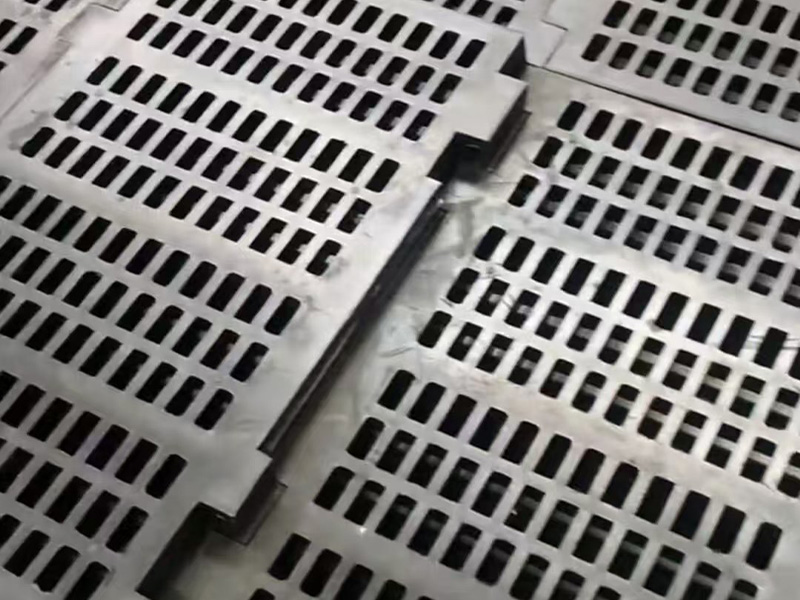
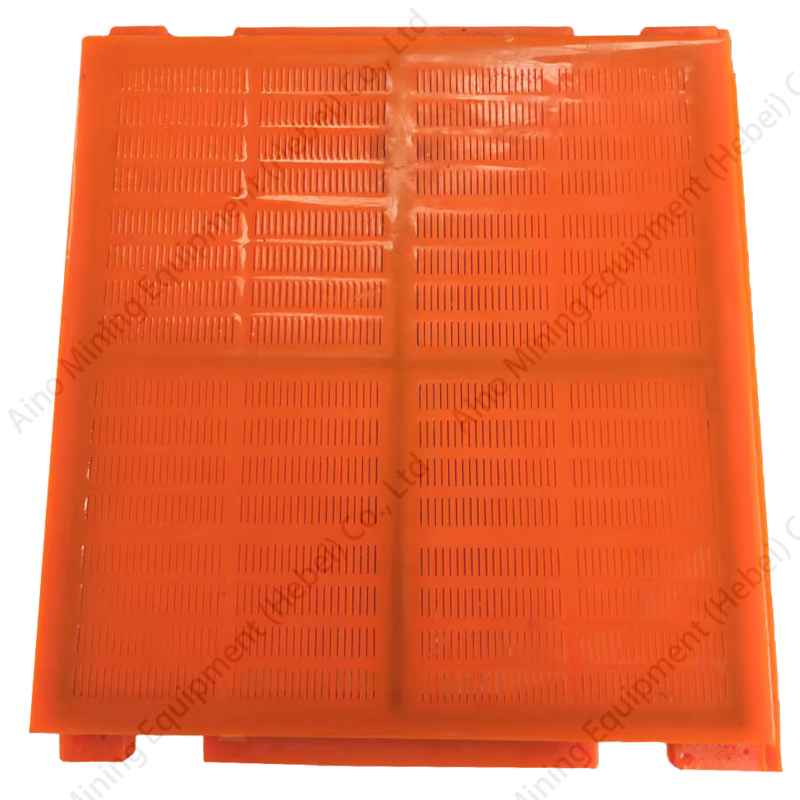
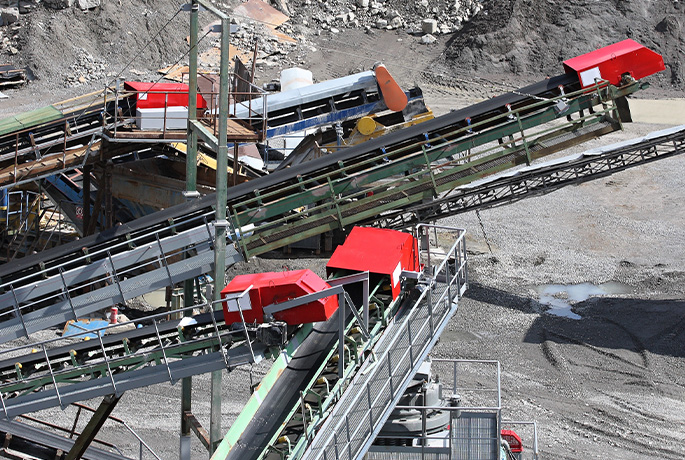
- Crushing and screening
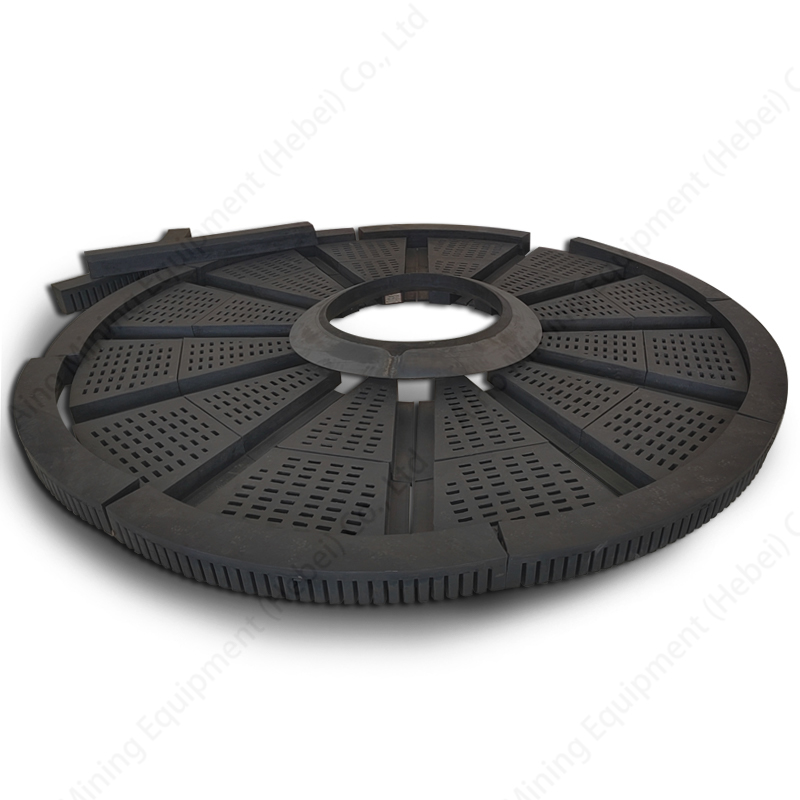
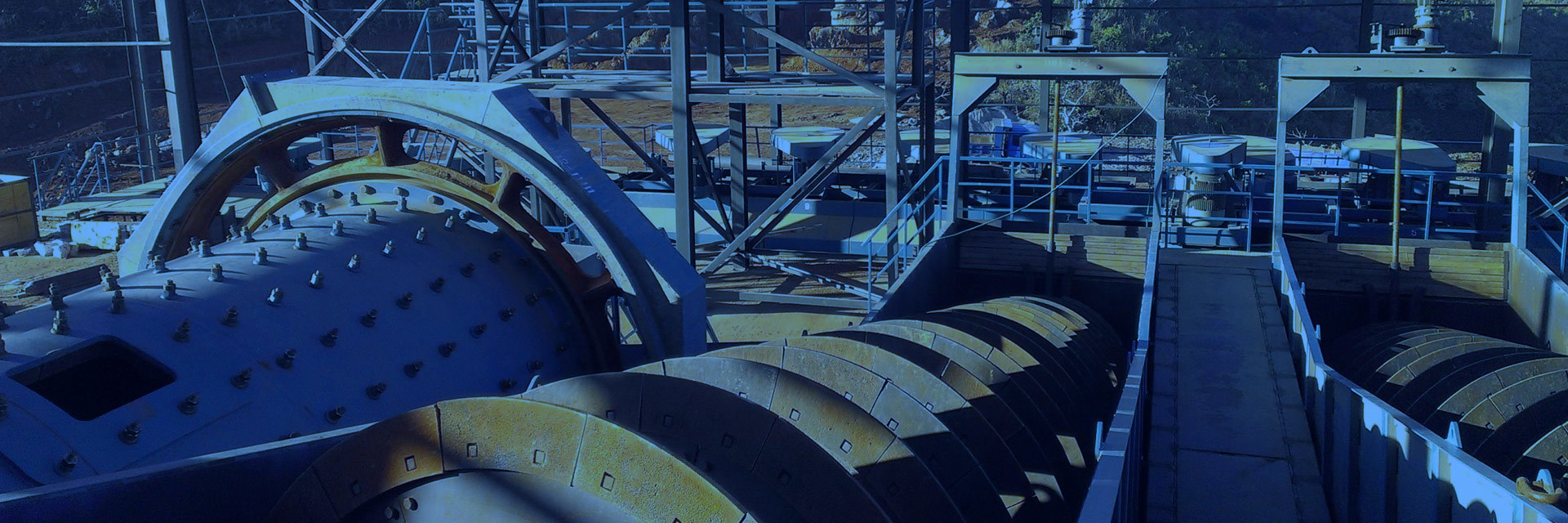
- Grinding (ball mills/semi-autogenous mills)
- Classification (hydrocyclones)
- Flotation systems
- Slurry conveying and tailings treatment
Applicable Equipment:
Ball mills, semi-autogenous mills, slurry pumps, hydrocyclones, vibrating screens, pipelines, sluices, and flotation cells.
Challenge
Mining operations involve the continuous handling of abrasive slurries with high solids content, leading to rapid wear, corrosion, and downtime, resulting in low system efficiency.
Key Challenges in Mining:
- Rapid liner wear → Frequent downtime and high replacement costs
- Steel corrosion and leaks → Safety risks and environmental issues
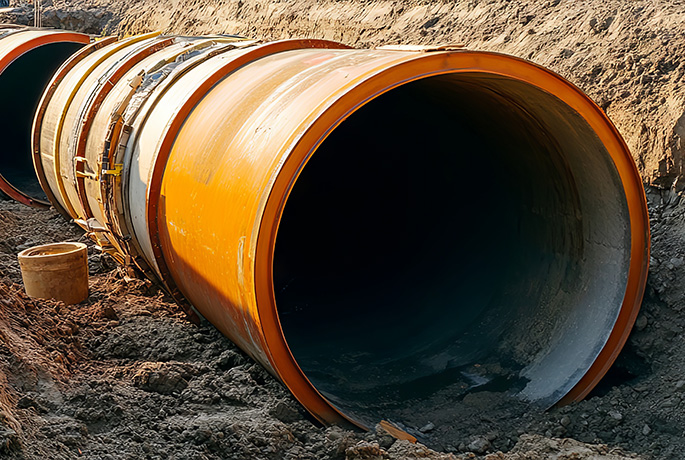
- Pipeline failure due to wear and chemical corrosion
- Excessive noise from grinding systems
- Increased energy consumption due to heavy components
- Unplanned downtime impacting plant output
Solutions
We offer complete mining rubber abrasion protection solutions, combining materials engineering, structural design, and customized services for specific operating conditions.
Our solutions enable:
- Longer service life
- Lower maintenance frequency
- Lower noise and energy consumption
- Higher system reliability and safety
Engineering Workflow
1)Operating Condition Analysis
2) Material Selection and Composite Material Design
3) Structural Engineering Design
4) Customized Production and Quality Control
5) Installation Support
6)Performance Monitoring and Optimization
Each project is customized based on your specific slurry characteristics, impact conditions, and equipment design.
Materials and Technical Specifications
We offer a wide range of rubber and composite materials to meet diverse mining conditions.
Available Material Systems:
- Natural Rubber (NR): Excellent abrasion resistance, suitable for slurries
- Styrene-butadiene Rubber (SBR): Cost-effective abrasion-resistant material
- Nitrile-butadiene Rubber (NBR): Oil-resistant applications
- Ethylene Propylene Diene Monomer (EPDM): Acid and alkali resistant
- Polyurethane: High abrasion resistance + structural strength
- Ceramic Rubber Composites: For extreme abrasion environments
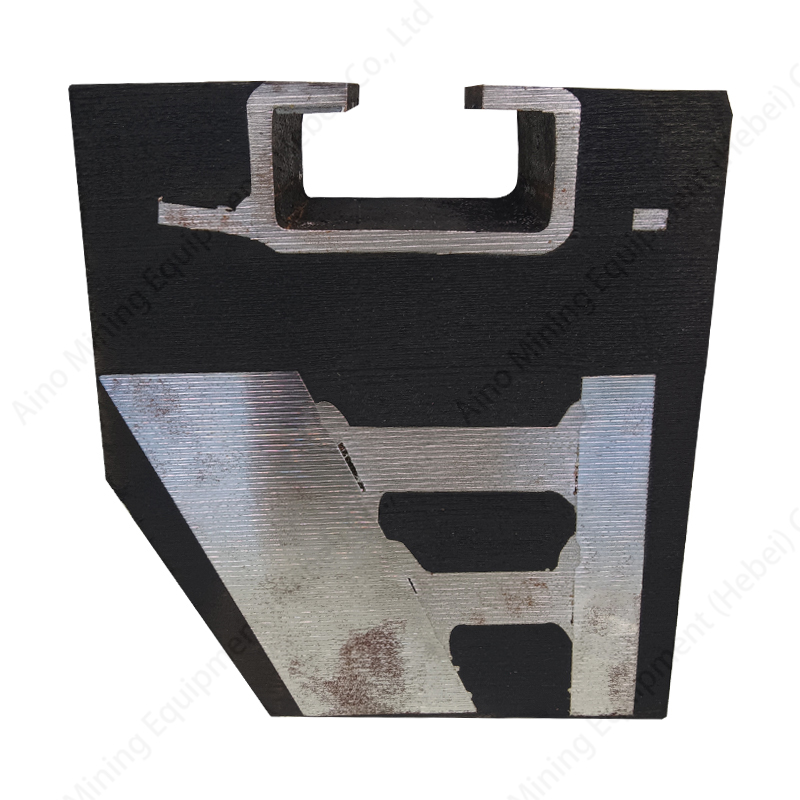
- Steel-Rubber Composites: High abrasion resistanceTypical Technical
Parameters:
|
Property |
Range |
|
Hardness |
40–80 Shore A |
|
Temperature |
-40°C to 120°C |
|
Abrasion Resistance |
2–5× steel |
|
Tear Strength |
High impact resistance |
|
Chemical Resistance |
Acid / Alkali / Slurry |
Material Selection Based on:
- Ore type
- Average ambient temperature
- Humidity
- Equipment uptime
- Particle size and hardness
- Slurry concentration
- Flow rate
- Chemical composition
Benefits & ROI:
Why Choose Rubber Over Steel
Performance Comparison
|
Factor |
Rubber Lining |
Steel Lining |
|
Service Life |
1.5–4× longer |
Shorter |
|
Weight |
~20–25% of steel |
Heavy |
|
Noise Level |
Reduced by 8–10 dB |
High |
|
Corrosion Resistance |
Excellent |
Poor |
|
Installation |
Easier & safer |
Complex |
Key Advantages:
- Longer Service Life → fewer shutdowns
- Lower Energy Consumption → lighter rotating mass
- Reduced Noise → improved working environment
- Corrosion Protection → no rust or leakage
- Lower Total Cost → reduced maintenance + labor
Engineering & Customization Process
We provide full OEM / ODM customization services for mining applications.

Custom Engineering Process:
Step 1: Analyze Working Conditions
Step 2: Select Material & Structure
Step 3: Design Liner / Component Layout
Step 4: Manufacture with Controlled Process
Step 5: Provide Installation Guidance
Step 6: Ongoing Performance Support
Customization Capabilities:
- Design based on drawings or samples
- On-site measurement & wear analysis
- Custom rubber compound formulation
- Compatibility with existing equipment (Metso, Outotec, etc.)
- Modular design for easy replacement
Case Studies: Proven Mining Applications
FAQ: Common Questions from Mining Buyers
1)How long do rubber mill liners last?
Typically 1.5–4 times longer than steel liners, depending on ore type and operating conditions.
2)Can rubber handle highly abrasive slurry?
Yes. High-elasticity rubber absorbs impact and resists sliding abrasion effectively.
3)Is rubber suitable for corrosive environments?
Yes. Rubber provides excellent resistance to acids, alkalis, and slurry chemicals.
4)Can you replace existing steel liners?
Yes. Our solutions are designed for direct replacement or retrofit.
5)Do you provide installation support?
Yes. We offer remote or on-site technical guidance.