Scope of application
Our corrosion protection and sealing rubber solutions are designed for environments involving corrosive media, high temperatures, and stringent safety requirements.
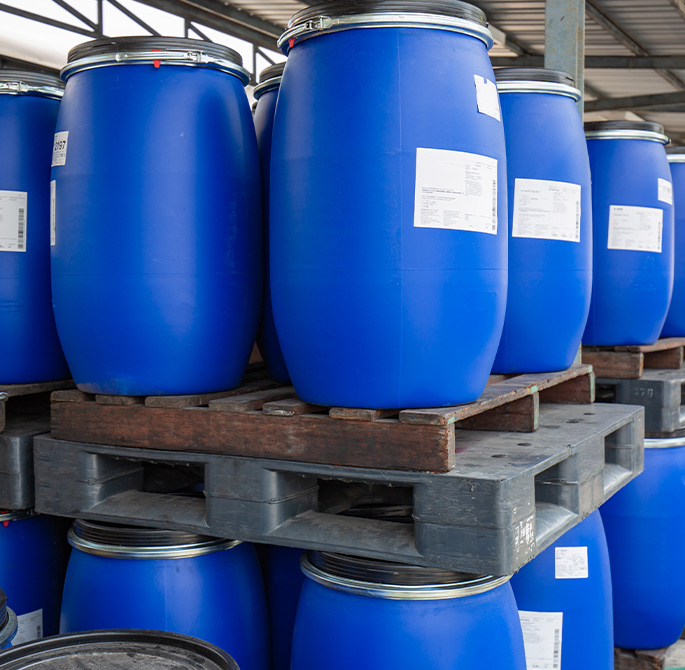
Applicable Scenarios:
Chemical and Petrochemical Plants
Acid and Alkali Processing Facilities
Fertilizer Production
Pharmaceutical and Fine Chemical Manufacturing
Oil and Gas (Acidic Gases/Hydrogen Sulfide Environments)
Applications:
Chemical Storage Tanks and Reactors
Acid and Alkali Transfer Piping
Pumps, Valves, and Flanges
Typical Media Conditions:
Strong Acids (Sulfuric Acid, Hydrochloric Acid, Phosphoric Acid)
Strong Alkalis (Sodium Hydroxide, Potassium Hydroxide)
Organic Solvents
High-Temperature and High-Pressure Fluids
Toxic and Corrosive Gases
Challenge
Chemical plants operate under extreme corrosive and sealing conditions; material failure can lead to serious safety and environmental problems.
Key Challenges:
Severe corrosion of metal equipment → Thinning or failure of tank and pipeline walls
Chemical corrosion leading to degraded seal performance → Media leakage
Frequent maintenance and downtime → Increased operating costs
Compatibility issues with chemicals → Swelling, cracking, or hardening
Risk of leakage from toxic or flammable media (e.g., H₂S, VOCs)
Regulatory and safety compliance pressures
Even minor seal failures can lead to major safety incidents and production losses.
Solution
Ainomining's Chemically Resistant Rubber Lining and Sealing Solutions
Core Objectives
- Prevent corrosion and chemical attack
- Ensure long-term sealing performance
- Improve operational safety and compliance
Reduce maintenance frequency and total cost
Engineering Workflow
1) Chemical Media Analysis
2) Material Compatibility Selection
3) Structural and Seal Design
4) Precision Manufacturing and Testing
5) Installation and Inspection
6) Lifecycle Monitoring and Optimization
Each solution is designed based on specific chemical composition, temperature, pressure, and sealing requirements.
Materials and Chemical Compatibility
Optional Materials
EPDM → Excellent resistance to acids, alkalis, and water chemicals
NBR → Resistance to oils and hydrocarbon chemicals
HNBR → Excellent heat and chemical resistance
FKM (Viton®) → High temperature and chemical corrosion resistance
FFKM → Excellent chemical corrosion resistance (near-universal compatibility)
PTFE-lined Rubber Composites → Excellent impermeability
Performance Parameters
| Property | Value / Description |
|---|---|
| Temperature Resistance | -30°C to 250°C (depending on material) |
| Chemical Resistance | Resistant to strong acids, strong alkalis, and solvents |
| Compression Set | Low (excellent seal retention) |
| Permeability Resistance | High |
| Aging Resistance | Excellent performance in chemical environments |
Material selection criteria
- Chemical type and concentration
- Temperature and pressure
- Exposure time and cyclic conditions
- Static and dynamic sealing requirements
- Proper material formulation ensures long-term seal reliability and safety compliance.
Key Performance Advantages:
Superior Corrosion Resistance:Protects equipment from acids, alkalis, and chemicals.
Reliable Sealing Performance:Prevents leakage of harmful and toxic media.
Extended Service Life:Reduces replacement frequency and downtime.
Guaranteed Chemical Compatibility:Minimizes the risk of expansion, cracking, or degradation.
Improved Safety and Compliance:Meets environmental and industrial safety standards.
Compared to traditional materials, using rubber solutions results in:
- Equipment Life: Longer vs. Shorter
- Leakage Risk: Extremely Low vs. High
- Maintenance Frequency: Reduced vs. Frequent
- Safety Risk: Lower vs. Higher
- Ultimately achieving lower lifecycle costs and greater operational stability.
Engineering Design and Customization
We offer fully customized corrosion protection and sealing solutions.

Custom Engineering Workflow:
Step 1: Analyze Operating Conditions and Chemical Environment
Step 2: Design Optimal Material Formulation
Step 3: Manufacturing Under Strict Quality Control
Step 4: Product Testing
Step 5: Provide Installation Guidance
Step 6: Provide Full Lifecycle Support
Customization Capabilities:
Chemical Compatibility Analysis
Custom O-ring and Gasket Sizes
Liner Thickness and Bonding Design
Multi-layer Composite Structure
OEM/ODM Manufacturing
Case Studies: Mature Chemical Industry Application Cases

Case 1: Hydrochloric Acid Transmission Pipeline (Middle East)
Problem: Frequent Leaks Due to Seal Failure
Solution: FKM Sealing System + Rubber-Lined Pipeline
Result: Zero Leakage Incidents
Frequently Asked Questions: Common Questions from Chemical Industry Buyers
1)Which Rubber is Best for Strong Acid Environments?
EPDM and FKM are commonly used rubbers, while FFKM offers the highest corrosion resistance under extreme conditions.
2)Can rubber linings replace stainless steel?
Yes. Rubber linings offer excellent corrosion resistance and are less expensive.
3)Are your seals suitable for hydrogen sulfide (H₂S) environments?
Yes. HNBR and FFKM materials are suitable for acidic gas environments.