|
Precision Wear-Resistant Polyurethane Composite Mill Liners for Fine Grinding & Corrosive Slurry Systems
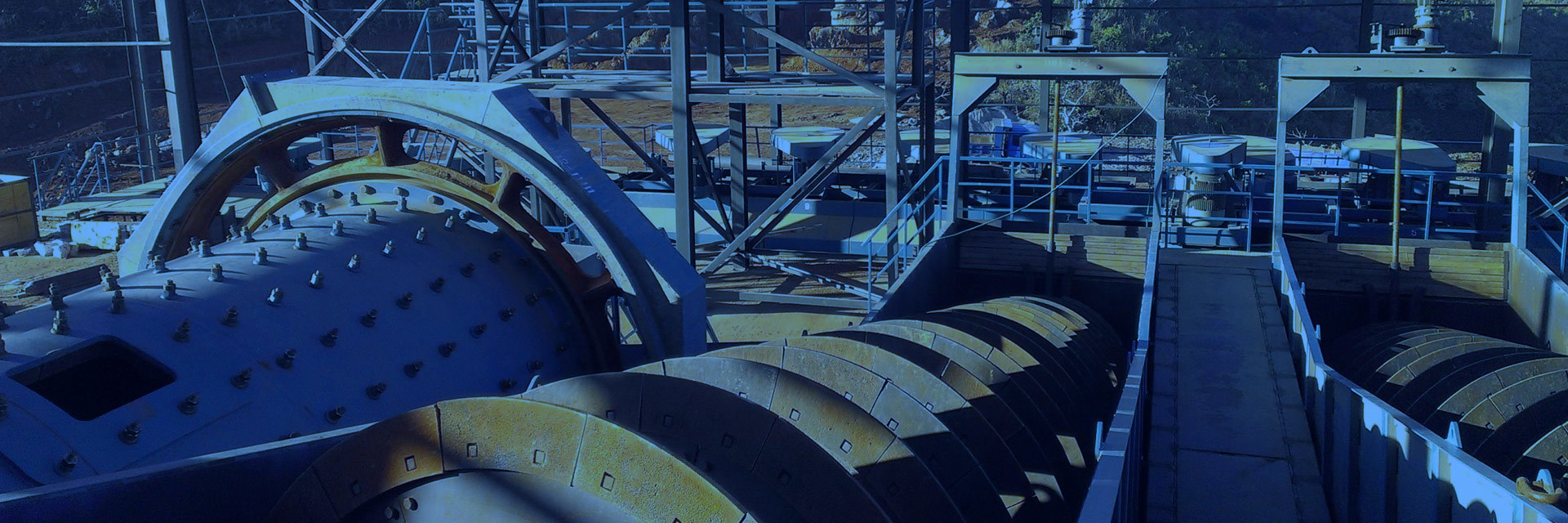
Ball mill steel-polyurethane composite lining is a high-performance customized mill liner system designed for grinding environments requiring:
Higher wear resistance
Better dimensional stability
Lower liner weight
Improved corrosion resistance
Reduced maintenance frequency
The liner combines:
High-strength steel reinforcement structure
Cast wear-resistant polyurethane elastomer
Unlike steel-rubber composite liners, steel-polyurethane composite liners focus more on:
Fine particle abrasion resistance
Stable liner geometry
Hydrolysis resistance
Corrosive slurry compatibility
Precision grinding performance
This makes steel-polyurethane composite liners especially suitable for:
Fine grinding systems
Secondary grinding circuits
Wet grinding applications
Corrosive slurry environments
Small and medium grinding media systems
Applications requiring stable lifting profiles
Because ball mill liners are highly customized engineering products, every liner system must be designed according to:
Mill dimensions
Grinding stage
Ore characteristics
Slurry properties
Impact intensity
Wear mechanism
Grinding media size
Throughput requirements
1. Specification
✅ Recommended Layout:
Left side: Technical parameter table
Right side: Polyurethane liner structure diagram + fine grinding mill image
Technical Specifications
|
Item
|
Specification
|
|
Product Name
|
Ball Mill Steel-Polyurethane Composite Lining
|
|
Main Structure
|
Steel + Cast Polyurethane Composite
|
|
Polyurethane Type
|
Wear-Resistant Polyurethane Elastomer
|
|
Reinforcement Material
|
Carbon Steel
|
|
Applicable Mill Type
|
Ball Mill / SAG Mill / AG Mill
|
|
Liner Type
|
Shell Liner / End Liner / Lifter Bar
|
|
Installation Method
|
Bolt Fixing
|
|
Manufacturing Method
|
Cast Polyurethane Composite
|
|
Grinding Type
|
Wet & Dry Grinding
|
|
Custom Manufacturing
|
Fully Supported
|
Core Difference vs Steel-Rubber Composite Liners
|
Property
|
Steel-Polyurethane Composite
|
Steel-Rubber Composite
|
|
Fine Abrasion Resistance
|
Better
|
Good
|
|
Dimensional Stability
|
Better
|
Moderate
|
|
Hydrolysis Resistance
|
Better
|
Moderate
|
|
Elastic Impact Absorption
|
Moderate
|
Excellent
|
|
Suitable Grinding Stage
|
Fine Grinding
|
Coarse & Medium Grinding
|
|
Precision Profile Retention
|
Better
|
Moderate
|
|
Slurry Corrosion Resistance
|
Better
|
Good
|
Typical Liner Structures
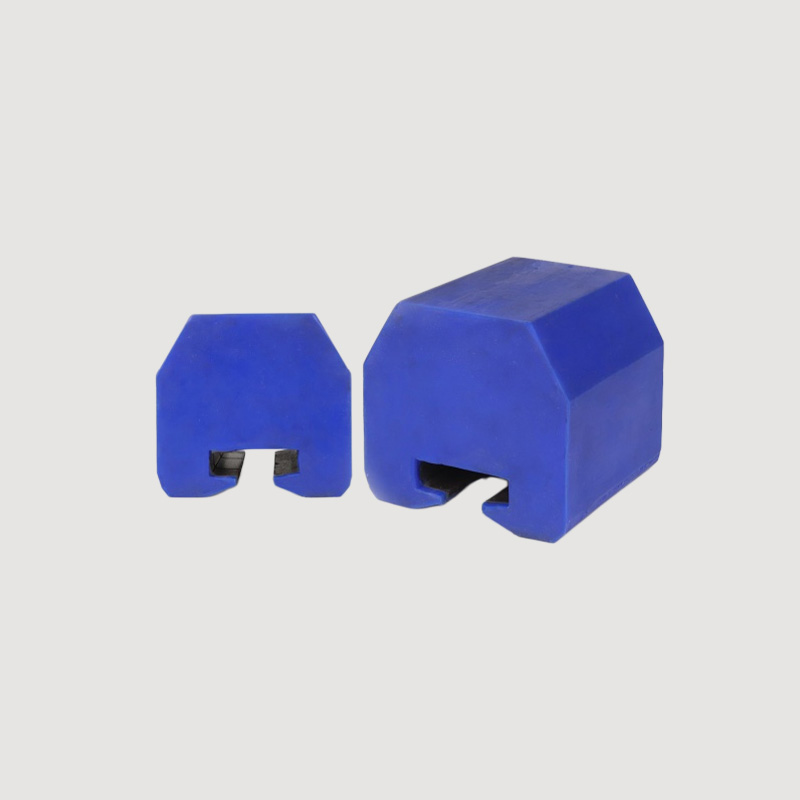
Polyurethane Shell Liners
Used to protect mill shells under abrasive fine grinding conditions.
Polyurethane End Liners
Protect feed and discharge ends from slurry erosion and abrasion.
Polyurethane Lifter Bars
Maintain stable lifting profiles for optimized grinding efficiency.
Polyurethane Grate Liners
Used in slurry discharge systems with corrosion and wear conditions.
Key Customizable Parameters
Since all mill liners are custom-engineered, the following information is required for technical analysis and quotation:
|
Parameter
|
Requirement
|
|
Mill Diameter
|
Required
|
|
Mill Length
|
Required
|
|
Mill Speed
|
Recommended
|
|
Grinding Stage
|
Primary / Secondary / Fine Grinding
|
|
Ore Type
|
Required
|
|
Ore Abrasiveness
|
Required
|
|
Slurry Corrosion Level
|
Recommended
|
|
Particle Size Distribution
|
Recommended
|
|
Grinding Media Size
|
Required
|
|
Throughput Capacity
|
Recommended
|
|
Polyurethane Thickness
|
Customized
|
|
Polyurethane Hardness
|
Customized
|
|
Wear Life Requirement
|
Required
|
|
Existing Drawings
|
Recommended
|
|
Installation Structure
|
Recommended
|
Typical Polyurethane Hardness Selection
|
Hardness Range
|
Application
|
|
Medium Hardness PU
|
General grinding systems
|
|
High Hardness PU
|
Fine abrasive grinding
|
|
Elastic PU Structure
|
Moderate impact systems
|
2. Detail
✅ Recommended Layout:
Three-column structure:
Precision wear resistance
Stable liner geometry
Corrosion protection
Product Structure
Steel-polyurethane composite liners use precision polyurethane casting technology combined with reinforced steel structures.
Main Structural Components
1. Polyurethane Wear Layer
Excellent fine abrasion resistance
Stable liner profile retention
Reduced slurry adhesion
Good hydrolysis resistance
2. Steel Reinforcement Structure
Supports operational loads
Maintains liner rigidity
Suitable for industrial grinding systems
3. Composite Bonding Structure
Strong steel-PU bonding strength
Stable long-term operation
Reduced delamination risk
Product Features
Excellent abrasion resistance
Better dimensional stability than rubber
Good slurry corrosion resistance
Lower liner weight
Reduced maintenance downtime
Stable lifting profile
Reduced operational noise
Suitable for wet fine grinding systems
Typical Physical Properties
|
Property
|
Typical Performance
|
|
Fine Abrasion Resistance
|
Excellent
|
|
Hydrolysis Resistance
|
Excellent
|
|
Corrosion Resistance
|
Excellent
|
|
Impact Resistance
|
Good
|
|
Dimensional Stability
|
Excellent
|
|
Structural Strength
|
High
|
Note: Actual performance depends on polyurethane formulation, ore properties, grinding conditions, and liner design.
3. Applications
✅ Recommended Layout:
Application cards with wet grinding mill photos
Main Applications
Fine Grinding Systems
Fine mineral grinding
Secondary grinding circuits
Gold Ore Processing
Wet abrasive slurry grinding
Copper Ore Processing
Corrosive slurry grinding systems
Iron Ore Fine Grinding
High wear fine particle grinding
Mineral Processing Plants
Hydrocyclone feed grinding systems
Chemical & Industrial Grinding
Corrosive abrasive slurry processing
4. Advantages (Advs)
✅ Recommended Layout:
Comparison section:
Polyurethane Composite VS Rubber Composite VS Steel
Advantages of Steel-Polyurethane Composite Liners
Better Fine Particle Wear Resistance
Polyurethane performs especially well under fine abrasive slurry conditions.
Better Dimensional Stability
Liner profiles maintain shape more consistently during long-term operation.
Better Hydrolysis Resistance
Suitable for wet grinding and water-rich slurry systems.
Better Corrosion Resistance
Polyurethane is more resistant to many corrosive slurry environments than standard rubber compounds.
Reduced Liner Weight
Improves installation efficiency and maintenance safety.
Stable Grinding Efficiency
Consistent liner geometry helps maintain grinding media movement stability.
Reduced Maintenance Frequency
Longer wear life reduces shutdown frequency.
Comparison: PU Composite vs Rubber Composite vs Steel Liners
|
Property
|
Steel-PU Composite
|
Steel-Rubber Composite
|
Steel
|
|
Fine Abrasion Resistance
|
Excellent
|
Good
|
Excellent
|
|
Hydrolysis Resistance
|
Excellent
|
Moderate
|
Excellent
|
|
Corrosion Resistance
|
Excellent
|
Good
|
Moderate
|
|
Impact Absorption
|
Good
|
Excellent
|
Poor
|
|
Dimensional Stability
|
Excellent
|
Moderate
|
Excellent
|
|
Noise Reduction
|
Good
|
Excellent
|
Poor
|
|
Weight
|
Moderate
|
Moderate
|
Heavy
|
5. Work Cond. & Material
✅ Recommended Layout:
Left: Grinding condition engineering analysis
Right: Polyurethane material selection guide
Grinding Condition Analysis
Proper polyurethane liner design requires analysis of:
Ore hardness
Fine particle abrasiveness
Slurry concentration
Slurry chemistry
Grinding media size
Mill speed
Throughput capacity
Impact intensity
Hydrolysis conditions
Unlike rubber liners, polyurethane liners are more sensitive to:
High-impact large media conditions
Excessive impact concentration
Extreme temperature environments
Therefore, engineering analysis is critical before liner selection.
Polyurethane Material Options
Standard Wear-Resistant Polyurethane
General abrasive grinding applications
High Hardness Polyurethane
Severe fine abrasion conditions
Hydrolysis-Resistant Polyurethane
Wet grinding systems
Water-rich slurry conditions
Corrosion-Resistant Polyurethane
Chemical slurry applications
Engineering Design Focus
Steel-polyurethane composite liner design focuses on:
Precision wear profile retention
Slurry erosion resistance
Hydrolysis resistance
Fine particle abrasion optimization
Stable lifting geometry
6. Custom Sol.
✅ Recommended Layout:
Large engineering workflow section
Fully Customized Polyurethane Mill Liner Solutions
All steel-polyurethane composite liners are custom-engineered according to actual mill operating conditions.
We support:
OEM manufacturing
Production according to drawings
Reverse engineering
Liner optimization
Grinding efficiency improvement
Wear life engineering analysis
Information Required for Technical Evaluation
To provide accurate liner recommendations and quotations, customers are recommended to provide:
Mill Information
Mill diameter
Mill length
Mill rotational speed
Grinding stage
Ore & Slurry Information
Ore type
Ore hardness
Slurry concentration
Slurry pH
Abrasiveness level
Particle size distribution
Grinding Information
Grinding media size
Throughput capacity
Wet or dry grinding
Impact intensity
Technical Requirements
Polyurethane hardness requirements
Wear life expectation
Existing liner drawings
Installation structure
Engineering Support
Our technical team provides:
Grinding condition analysis
Polyurethane formulation recommendations
Liner structure optimization
Installation guidance
Service life optimization
Drawing support
7. Mfg Cap. & QC
✅ Recommended Layout:
Factory photos + PU casting workshop + QC inspection chart
Manufacturing Capacity
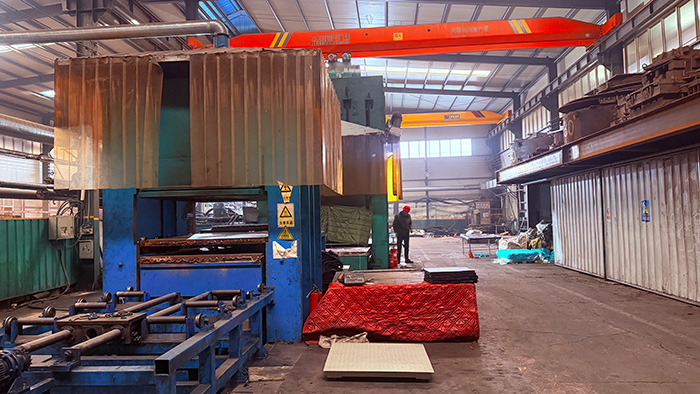
We specialize in mining wear-resistant polyurethane composite liner manufacturing.
Main Production Capabilities
Polyurethane precision casting
Steel fabrication
Composite bonding
CNC machining
Mold manufacturing
Customized liner production
Quality Control
Every polyurethane composite liner undergoes:
Raw material inspection
Polyurethane hardness testing
Bonding inspection
Dimension inspection
Structural inspection
Appearance inspection
Production Advantages
Advanced polyurethane casting technology
Stable PU formulation control
Experienced mining engineering team
OEM manufacturing capability
Export experience worldwide
8. Life & Tech Sup.
✅ Recommended Layout:
Large highlighted durability section
Service Life
Steel-polyurethane composite liners are designed for abrasive fine grinding systems requiring stable liner geometry and corrosion resistance.
Compared with traditional steel liners:
Reduced corrosion damage
Reduced maintenance frequency
Improved grinding stability
Better operational efficiency
Actual service life depends on:
Fine particle abrasiveness
Slurry chemistry
Grinding media size
Impact intensity
Installation quality
Technical Support
We provide:
Technical consultation
Grinding condition analysis
Polyurethane material recommendations
Installation guidance
After-sales support
9. Cases
✅ Recommended Layout:
Project cards with wet grinding application photos
Project Cases
Gold Mine Fine Grinding System – Central Asia
Steel-polyurethane composite liners used in wet fine grinding applications.
Copper Ore Slurry Grinding Plant – Africa
Corrosion-resistant PU liners used in abrasive slurry systems.
Iron Ore Secondary Grinding Circuit – South America
Precision PU liners used for stable grinding efficiency.
Mineral Processing Plant – Southeast Asia
Hydrolysis-resistant polyurethane liners used in wet grinding mills.
10. FAQ
✅ Recommended Layout:
Accordion dropdown FAQ section
Frequently Asked Questions
Q1: What are the main advantages of steel-polyurethane composite liners?
Excellent fine abrasion resistance, dimensional stability, hydrolysis resistance, and slurry corrosion resistance.
Q2: Are polyurethane liners suitable for high-impact coarse grinding?
Generally, steel-rubber composite liners are more suitable for extremely high-impact coarse grinding conditions.
Q3: Can you customize liners according to drawings?
Yes. OEM manufacturing and reverse engineering are supported.
Q4: What information is required before quotation?
We recommend providing:
Mill drawings
Ore information
Grinding conditions
Slurry characteristics
Existing liner drawings if available
Q5: Which grinding systems are most suitable for polyurethane liners?
Fine grinding, wet grinding, corrosive slurry grinding, and applications requiring stable liner geometry.
一、产品特性:
Product Features
- Dual-Material Structure – Combines high-strength steel backing with wear-resistant polyurethane surface
-Superior Impact Resistance – Steel frame withstands heavy impact from large grinding media
-Enhanced Wear Life – Polyurethane layer provides excellent abrasion resistance
-Optimized Weight Reduction – Lighter than full steel liners, reducing mill load
- Improved Energy Efficiency – Lower rotational mass reduces power consumption
- Custom Engineering Design – Tailored for different mill sizes and grinding conditions
|