|
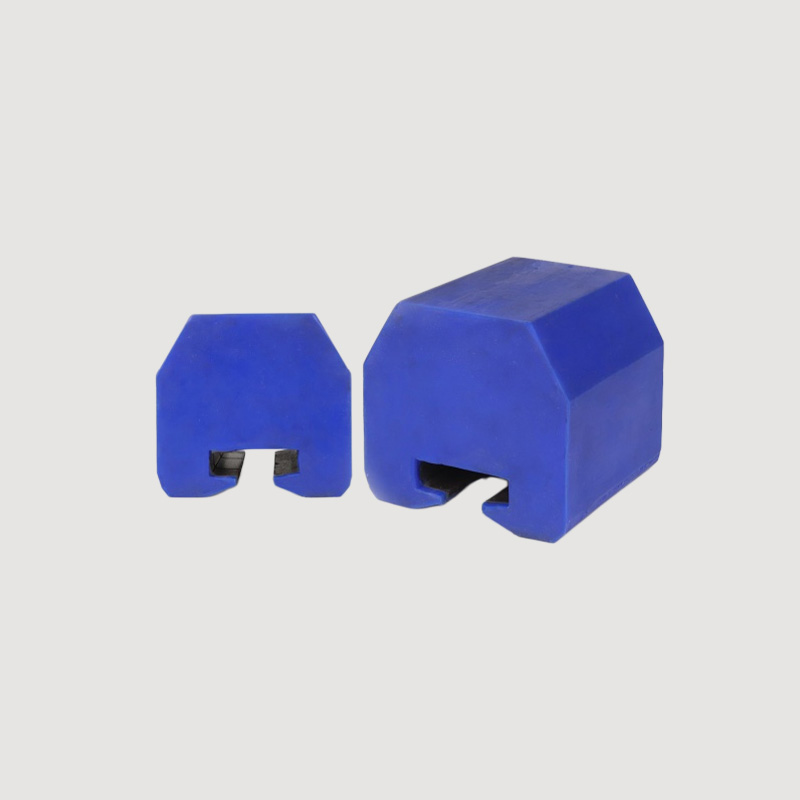
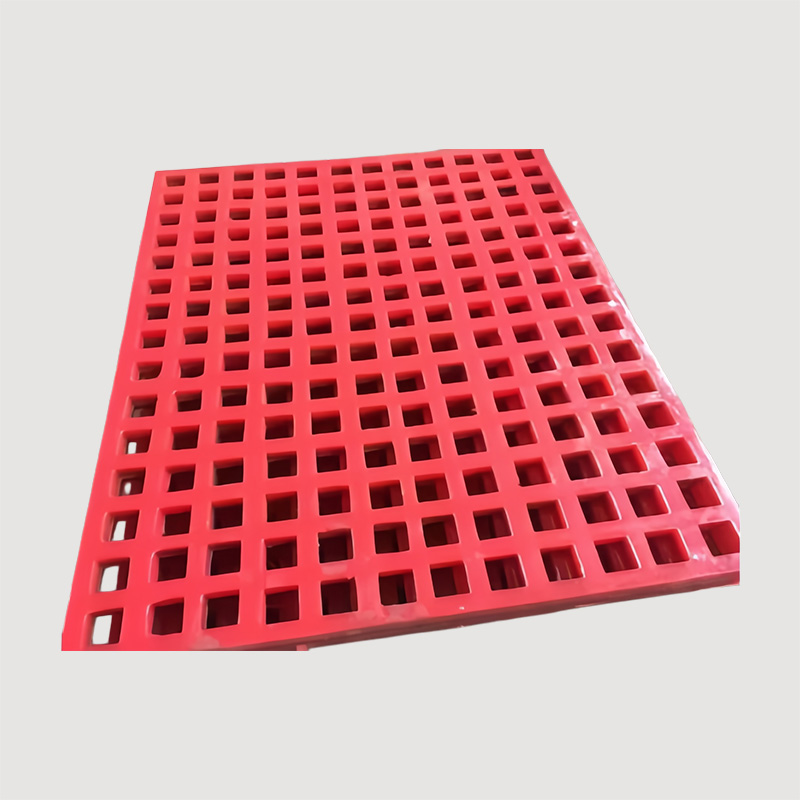
Heavy-Duty Rubber Vibrating Screen Plates for Impact and Abrasive Screening Applications
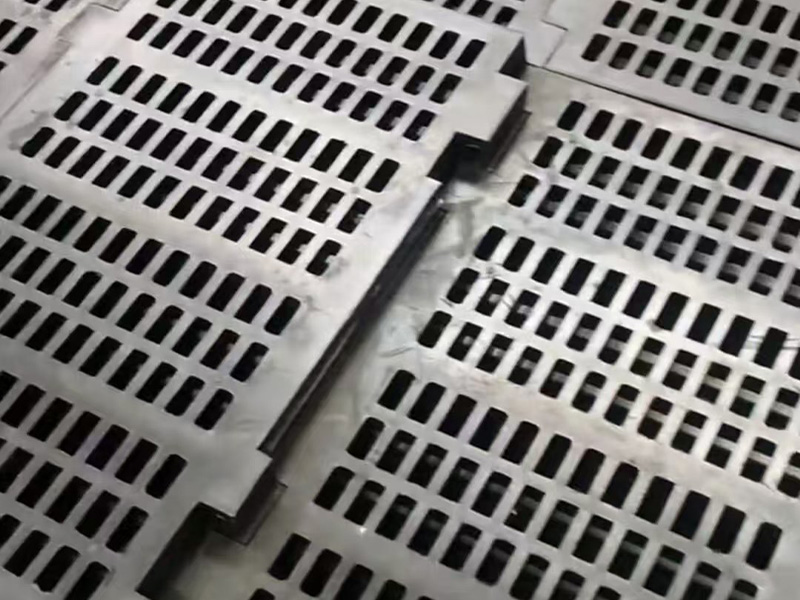
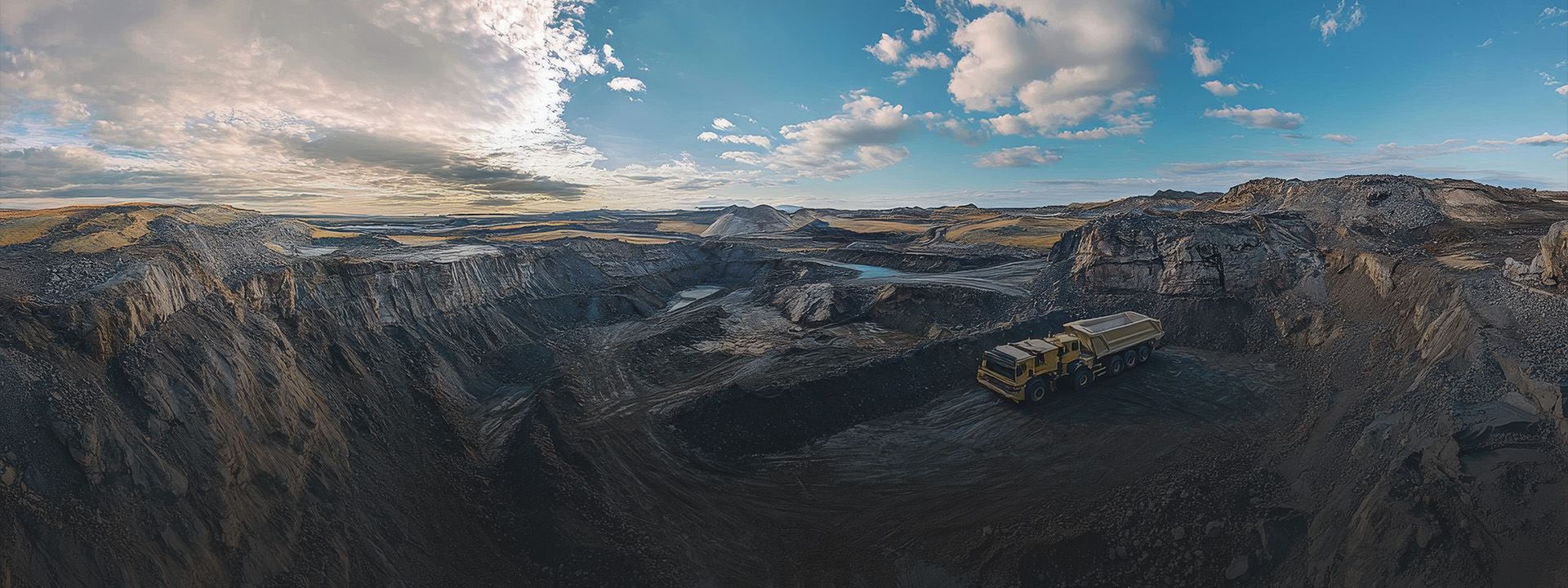
Rubber vibrating screen plates are widely used in mining, quarry, aggregate, coal preparation, metallurgy, and industrial material screening systems due to their excellent elasticity, impact resistance, noise reduction performance, and long service life.
Compared with traditional steel screen plates, rubber vibrating screen plates provide:
Better impact absorption
Lower operational noise
Improved vibration resistance
Reduced equipment wear
Better flexibility under heavy-load conditions
Compared with polyurethane screen plates, rubber screen plates generally provide:
Better elasticity
Higher impact resistance
Better performance for large particle materials
Improved flexibility in unstable operating conditions
Rubber vibrating screen plates are especially suitable for:
Large particle screening
Heavy-impact material handling
Wet screening systems
Coarse ore classification
High-vibration operating conditions
1. Specification
✅ Recommended Layout:
Left side: Technical specification table
Right side: Product image / vibrating screen application image
Technical Specifications
|
Item
|
Specification
|
|
Product Name
|
Rubber Vibrating Screen Plate
|
|
Material
|
Natural Rubber / Synthetic Rubber
|
|
Structure
|
Molded Rubber Screen Panel
|
|
Reinforcement
|
Steel Frame / Fabric Reinforcement (Optional)
|
|
Panel Size
|
Customized
|
|
Thickness
|
Customized
|
|
Opening Type
|
Square / Slot / Round
|
|
Opening Size
|
Customized
|
|
Hardness
|
40–70 Shore A
|
|
Installation Type
|
Bolt / Pin / Rail Fixing
|
|
Application
|
Vibrating Screening Systems
|
|
Operating Condition
|
Dry & Wet Screening
|
2. Detail
✅ Recommended Layout:
Three-column feature blocks:
Impact resistance
Elasticity
Noise reduction
Product Structure
Rubber vibrating screen plates are manufactured using wear-resistant rubber compounds through compression molding or vulcanization processes.
Main Structural Components
1. Rubber Screening Surface
Excellent elasticity
Abrasion resistance
Impact absorption
Reduced material sticking
2. Reinforced Support Structure
Improved panel strength
Stable installation
Long-term operational support
3. Screening Aperture Structure
Customized opening design
Stable material classification performance
Product Features
Excellent impact resistance
Good wear resistance
Superior elasticity
Reduced operational noise
Good vibration absorption
Long operational life
Good corrosion resistance
Suitable for heavy-duty screening conditions
Typical Physical Properties
|
Property
|
Typical Range
|
|
Hardness
|
40–70 Shore A
|
|
Tensile Strength
|
10–25 MPa
|
|
Elongation at Break
|
300–700%
|
|
Abrasion Resistance
|
Good
|
|
Impact Resistance
|
Excellent
|
|
Elastic Recovery
|
Excellent
|
Note: Actual performance depends on rubber formulation and operating conditions.
3. Applications
✅ Recommended Layout:
Industry application cards with screening equipment photos
Main Applications
Mining Industry
Coarse ore screening
Heavy-duty material classification
Impact-heavy screening systems
Coal Preparation Plants
Coal grading
Wet coal screening systems
Quarry & Aggregate Industry
Stone screening
Gravel classification
Large particle separation
Mineral Processing Plants
Abrasive material screening
Wet slurry screening
Sand & Gravel Plants
Coarse aggregate classification
Industrial Screening Systems
Bulk material separation
4. Advantages (Advs)
✅ Recommended Layout:
Comparison section:
Rubber Screen Plate VS Polyurethane VS Steel
Advantages of Rubber Vibrating Screen Plates
Better Impact Resistance Than Polyurethane
Rubber provides superior shock absorption under large particle impact conditions.
Lower Operational Noise
Rubber significantly reduces screening noise compared with steel screen plates.
Excellent Elasticity
Flexible rubber surfaces adapt well to vibration and fluctuating operating loads.
Reduced Equipment Vibration Damage
Rubber helps reduce vibration transfer to screening equipment structure.
Better Performance for Large Particle Materials
Suitable for coarse ore and high-impact material classification.
Good Anti-Blocking Performance
Elastic openings help reduce material clogging during wet screening.
Longer Equipment Protection
Rubber reduces wear on vibrating screen structures and support components.
Comparison: Rubber vs Polyurethane vs Steel Screen Plates
|
Property
|
Rubber
|
Polyurethane
|
Steel
|
|
Impact Resistance
|
Excellent
|
Good
|
Moderate
|
|
Elasticity
|
Excellent
|
Good
|
Low
|
|
Wear Resistance
|
Good
|
Excellent
|
Moderate
|
|
Noise Reduction
|
Excellent
|
Excellent
|
Poor
|
|
Vibration Absorption
|
Excellent
|
Good
|
Low
|
|
Fine Screening Precision
|
Moderate
|
Excellent
|
Good
|
|
Large Particle Screening
|
Excellent
|
Good
|
Moderate
|
5. Work Cond. & Material
✅ Recommended Layout:
Left: Working condition analysis
Right: Material selection guide
Working Condition Analysis
We provide customized rubber screen panel solutions according to:
Material particle size
Material hardness
Moisture content
Screening capacity
Impact conditions
Vibration intensity
Equipment type
Rubber Material Options
Natural Rubber
Excellent elasticity
Good abrasion resistance
Suitable for mining screening systems
SBR Rubber
Cost-effective screening solution
EPDM Rubber
Better weather and heat resistance
NBR Rubber
Oil-resistant industrial applications
Opening Structure Options
|
Opening Type
|
Application
|
|
Square Opening
|
General material classification
|
|
Slot Opening
|
Wet screening and dewatering
|
|
Round Opening
|
Special screening systems
|
6. Custom Sol.
✅ Recommended Layout:
Engineering process flowchart
Customized Solutions
We support:
OEM manufacturing
Production according to drawings
Customized opening sizes
Customized panel dimensions
Different rubber compounds
Reinforced structural designs
Engineering Support
Our technical team provides:
Screening condition analysis
Material recommendations
Panel optimization
Installation recommendations
Drawing support
7. Mfg Cap. & QC
✅ Recommended Layout:
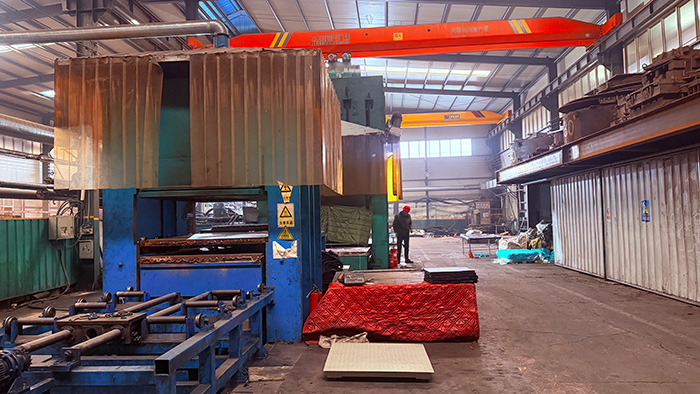
Factory workshop photos + QC process chart
Manufacturing Capacity
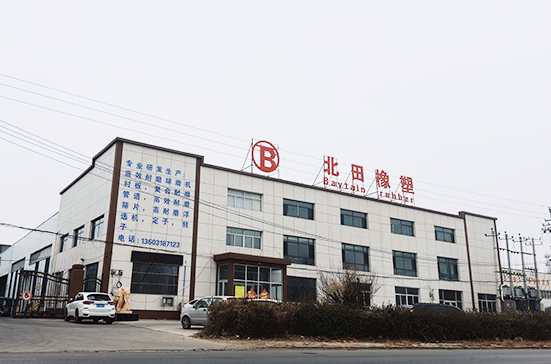
We specialize in mining wear-resistant rubber screening products manufacturing.
Main Production Capabilities
Rubber mixing
Compression molding
Vulcanization production
Steel-rubber composite production
CNC machining
Customized screen panel production
Quality Control
Every rubber screen plate undergoes:
Raw material inspection
Dimension inspection
Hardness testing
Surface inspection
Structural inspection
Appearance inspection
Production Advantages
Advanced rubber vulcanization technology
Experienced engineering team
Stable production quality
OEM manufacturing capability
Export experience worldwide
8. Life & Tech Sup.
✅ Recommended Layout:
Large highlighted durability section
Service Life
Rubber vibrating screen plates are designed for heavy-duty impact and abrasive screening systems.
Compared with traditional steel screen plates:
Better impact absorption
Lower vibration damage
Reduced operational noise
Improved equipment protection
Actual service life depends on:
Material abrasiveness
Particle size
Moisture content
Screening capacity
Operating conditions
Technical Support
We provide:
Technical consultation
Material recommendations
Drawing evaluation
Installation guidance
After-sales support
9. Cases
✅ Recommended Layout:
Project cards with screening application photos
Project Cases
Iron Ore Screening Plant – Central Asia
Rubber vibrating screen panels used for coarse abrasive ore classification.
Aggregate Quarry Project – Southeast Asia
Heavy-duty rubber screen panels used for large stone screening systems.
Coal Preparation Plant – Africa
Rubber screening media used in wet coal grading systems.
Sand & Gravel Plant – South America
Impact-resistant rubber screen panels used for aggregate classification.
10. FAQ
✅ Recommended Layout:
Accordion dropdown FAQ section
Frequently Asked Questions
Q1: What are the advantages of rubber vibrating screen plates?
They provide excellent impact resistance, elasticity, noise reduction, and vibration absorption for heavy-duty screening applications.
Q2: Are rubber screen plates suitable for wet screening?
Yes. Rubber screen panels are widely used in wet screening and slurry classification systems.
Q3: Can you manufacture according to drawings?
Yes. OEM and customized manufacturing are available.
Q4: What information is required for quotation?
Please provide:
Panel dimensions
Opening size
Opening type
Material type
Quantity
Drawings if available
Q5: Which industries use rubber vibrating screen plates?
Mining, coal preparation, quarry, aggregate, mineral processing, and industrial screening industries.
|